


If you’ve ever wanted a beer that feels like sunshine in a glass, chances are you’ve already met (or are about to fall in love with) the Radler.
Light, citrusy, and ridiculously refreshing, Radler sits in that sweet spot between beer and soft drink, making it one of the most approachable and sessionable styles in the world. But behind its easy-going charm is a surprisingly rich history.
Whether you’re new to Radler or already a fan, here’s everything you need to know about the Radler beer style, its origins, and why it’s booming again.
What is a Radler?
At its simplest, a Radler is a blend of beer (usually lager or wheat beer) and citrus soda (traditionally lemonade), most often in a 50:50 ratio. The result is a bright, sparkling, low-alcohol beer drink that prioritises refreshment above all else.
Typical Radler characteristics include:
- Fresh lemon or citrus aroma
- Light malt sweetness from the lager base
- High carbonation and crisp finish
- Lower ABV (usually around 2–3%)
- Extremely easy drinking and approachable
Think of Radler as one of beer’s most refreshing forms, perfect for warm weather, long afternoons, and anyone who wants flavour without heaviness.
The History of Radler: A Beer Born for Cyclists
The word “Radler” literally translates from German as “cyclist”, and the origin story of Radler beer is closely tied to cycling culture.
The most commonly told story dates back to the 1920s in Bavaria, where an innkeeper named Franz Xaver Kugler operated a tavern just outside Munich. After promoting a cycling route to his beer garden, he found himself swarmed with thirsty cyclists, and dangerously low on beer.
To stretch his supply, he began mixing his lager with lemon soda and sold it as a refreshing, lower-alcohol drink for cyclists. The concept was an instant hit.
The Radler was born, and over a century later, it’s still thriving.
Radler vs Shandy: What’s the Difference?
Radler is often compared to the traditional British Shandy, and while they are closely related, there are subtle differences.
- Shandy (UK tradition): Beer and lemonade mixed informally, strength and balance can vary widely.
- Radler (Central European tradition): A more defined beer style, commonly produced, packaged and sold as a finished product with careful balance.
In today’s craft beer world, the line is blurred, but modern craft Radlers tend to focus on quality ingredients, real fruit, and a deliberate flavour profile.
Why Radler Beer Is Growing in Popularity
Radler isn’t just a nostalgic European classic, it’s a style perfectly aligned with modern drinking habits.
Low alcohol, high enjoyment
With more drinkers seeking low-ABV beer options, Radler offers full flavour with greater moderation. It’s ideal for longer sessions without the heaviness.
Refreshment-led beer culture
Not every beer moment calls for a DIPA or impy stout. Radler excels when the priority is refreshment, balance and drinkability.
Accessible flavour for new beer drinkers
Radler’s citrus-forward character and gentle sweetness make it a perfect gateway into beer for people who find bitterness challenging.
Craft brewers are reinventing Radler
Modern craft Radlers go far beyond lemonade and lager. Brewers now experiment with:
- Real fruit juice and purée
- Zest and botanical additions
- Different base beers (pilsner, wheat beer, sour bases)
- Seasonal and local ingredients
The result is a new generation of fruit-forward, premium Radlers with genuine complexity.
Introducing Rhubarbie Girl Radler: A Modern Twist on a Classic (Launching March ’26)
This March sees the arrival of something a little different, and very special:
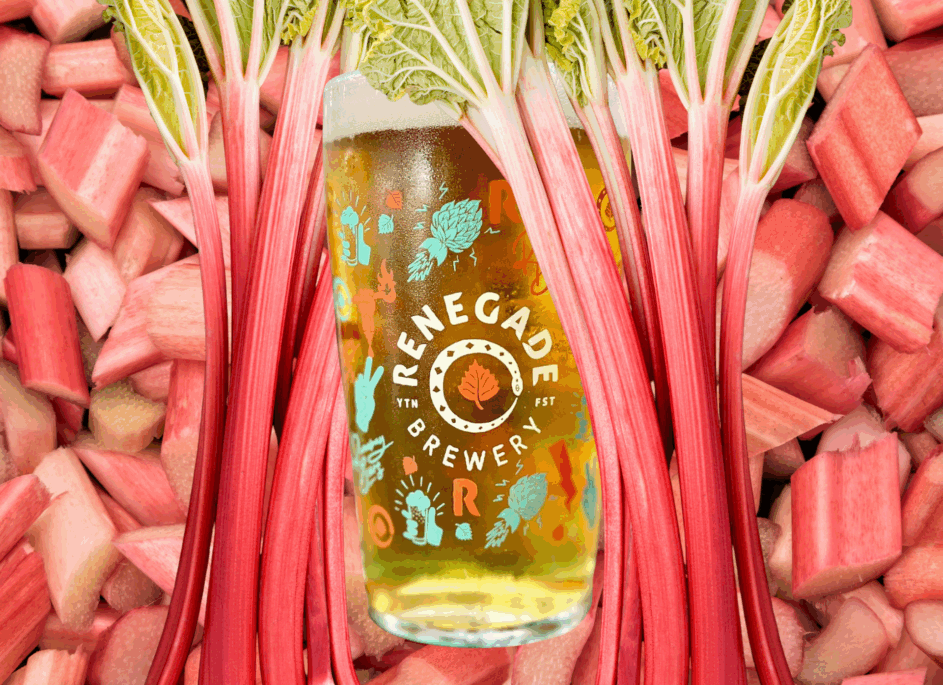
Rhubarbie Radler, a vibrant new Radler made with real rhubarb.
Rhubarb might not be the first ingredient people associate with beer, but it’s an inspired choice for this style.
Why rhubarb works beautifully in a Radler:
- Naturally tart and refreshing
- Delicate fruit character without being overly sweet
- Complements citrus brightness rather than overpowering it
- Feels seasonal, nostalgic and distinctly British
Rhubarbie Radler takes everything people love about traditional Radler beer [light body, gentle fizz, high refreshment] and layers in the subtle sharpness and rosy fruit notes of rhubarb.
It’s the kind of drink that works effortlessly in:
- Spring beer gardens
- Outdoor events and festivals
- Afternoon sessions
- Customers looking for something lighter but still flavourful
As drinkers increasingly look for fruit beer styles, low-ABV craft beer, and seasonal releases, Rhubarbie Girl Radler sits right at the intersection of all three trends.
Final Sip: Why Radler Deserves a Place in Your Fridge
Radler beer proves that great beer doesn’t need to be strong, bitter or heavy to be exciting. It can be light, bright, fruity and still full of character.
From its cycling-route origins in Bavaria to modern fruit-forward releases like Rhubarbie Girl Radler, this is a style that feels both timeless and perfectly in tune with how people want to drink today.
If you haven’t revisited Radler in a while, now’s the time.