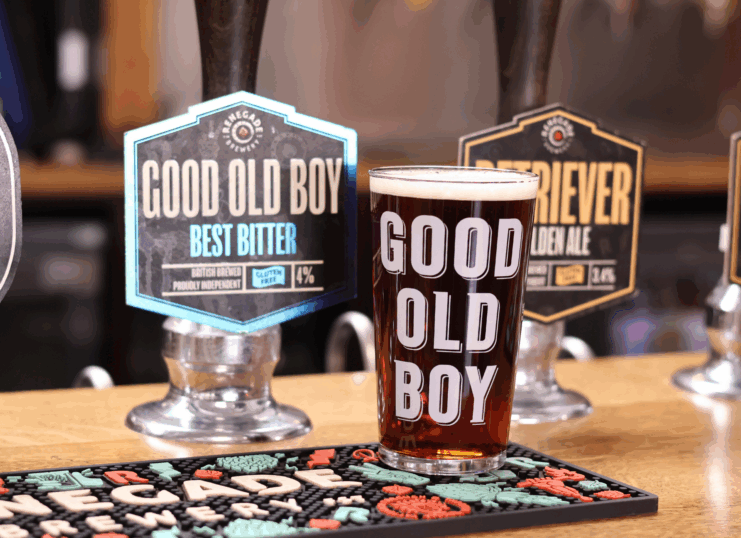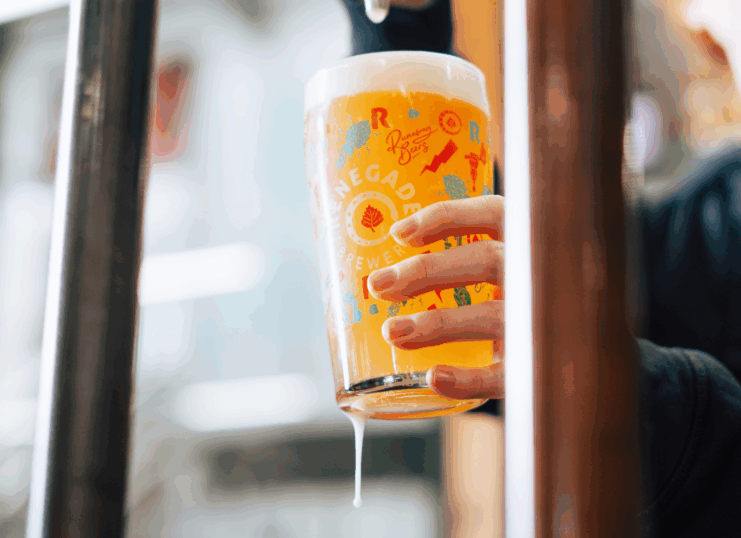



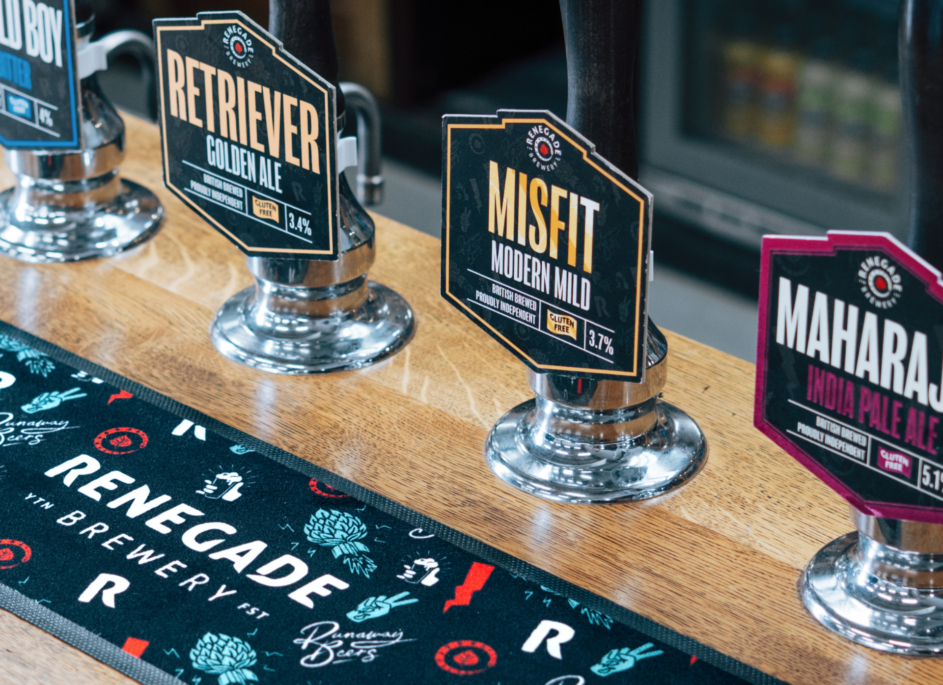
There’s something undeniably satisfying about seeing a pint pulled properly.
A handpull isn’t just there because it looks good on a traditional pub bar. It plays a big part in what makes a pint of cask beer taste the way it does.
The bartender pulls the handle a few times and the glass gradually fills with beer, no flashy technology.
So, what actually is a Handpull?
A handpull, or beer engine, is a mechanical pump used to draw beer from the cask in the cellar up to the bar.
Unlike most keg beer which is pushed through the lines to the tap using gas pressure, a traditional handpull relied on the bartender physically pulling the beer through the line. Is actually a very simple process and has been a part of British culture for generations.
Its all about condition.
Cask beer is a living product, after being filled into the cask, the beer continues to condition naturally, developing carbonation and allowing flavours to settle and mature. The result is a softer, gentler level of carbonation than you’d typically find in kegged beer. Which makes a huge difference in the glass. Rather than lots of fizz, you get a smoother mouthfeel that allows the malt, hops and yeast character to come through.
Pulling the beer through a handpull helps preserve that distinctive cask character.
Then there’s the sparkler
Depending on where you are in the country, mentioning a sparkler can start a surprisingly passionate pub debate.
A sparkler is a small attachment fitted to the end of the handpull spout. As the beer is pulled through the tiny holes in the sparkler, it agitates the beer and creates a beautiful creamy head on the beer.
It can also change the drinking experience. A well-pulled pint through a sparkler can be incredibly smooth, with a dense head carrying aroma and creating a softer texture as you drink.
Northern drinkers in particular will probably tell you this is exactly how a pint should arrive, other areas opinions may vary…
The Perfect Temperature
Cask beer is always been called ‘warm beer’. It shouldn’t actually be warm, but instead, it should generally be served cool. Traditionally at cellar temperature, rather than ice cold. This matters because temperature has a hug effect on flavour.
If you serve beer extremely cold, some of its more delicate aromas and flavours become harder to detect. At a proper cellar temperature you will experience much more of the flavours and aromas that the brewer intended. Malt tastes richer, hops character becomes more noticeable and aromas open up.
A handpull can also tell you something about a pub.
Cask needs looking after. Putting a cask beer on the bar isn’t quite the same as conntecting a keg.
A cask needs to be stored correctly, vented and served within the right time frame. Beer lines need looking after too, and whoever is responsible for the cellar needs to know what they are doing.
Once a cask is tapped, depending on the ABV and beer style, it’ll typically be at optimum serving quality for 3-5 days. After this, because there is no gas to push the beer through the line and the beer has been vented it’ll become oxidised quicker than a kegged beer.
Keeping a pub tradition alive, keeping cask alive.
Handpulls are more than what is happening inside the glass. They are a part of British culture. They help deliver the softer carbonation, smooth mouthfeel and character that make properly kept cask beer so distinctive. They encourage pubs to look after their beer properly and they keep alive one of the most recognisable parts of drinking British Culture.